Why Florida Driveways Crack, and What Actually Prevents It
Florida puts a concrete driveway through more stress than almost any other climate in the country. Between the summer heat, the humidity, the sudden downpours, and the long stretches of intense sun, a driveway here works harder than one in a milder state. If yours is starting to crack, the weather is usually part of the reason why.
Why Heat Alone Causes Concrete to Crack
Concrete expands when it heats up and contracts when it cools back down. In Florida, a driveway can sit at well over 120 degrees on the surface during a summer afternoon and drop 30 or 40 degrees overnight or during a sudden storm. That constant expansion and contraction puts stress on the slab every single day, and over years, that stress shows up as cracks, especially at the weakest points in the concrete.
How Humidity Makes It Worse
Concrete is porous, and Florida’s humidity means driveways absorb moisture from the air even when it has not rained. That trapped moisture expands when temperatures rise and contracts when they fall, adding another layer of stress on top of the heat cycling. Humidity also slows how quickly a driveway dries out after rain, which keeps the slab wetter for longer stretches than it would be in a drier climate.
Sun Exposure and UV Damage
Florida gets more direct sun than most of the country, and UV exposure breaks down the surface of concrete over time, a process called UV degradation. This shows up first as a chalky, faded look on the surface, and eventually as small surface cracks that can deepen if left alone. A driveway with no shade at all will show this faster than one with even partial tree cover.
Afternoon Storms and Rapid Temperature Swings
Florida’s pattern of hot mornings followed by sudden afternoon thunderstorms is tough on concrete specifically because of how fast the temperature drops when the rain hits. A slab that was baking at 110 degrees can cool by 20 degrees or more in minutes once a storm rolls through. That kind of rapid thermal shock is harder on concrete than a slow seasonal change, because the surface cools faster than the concrete underneath it, creating tension between the two layers.
Was the Driveway Installed with Florida’s Climate in Mind?
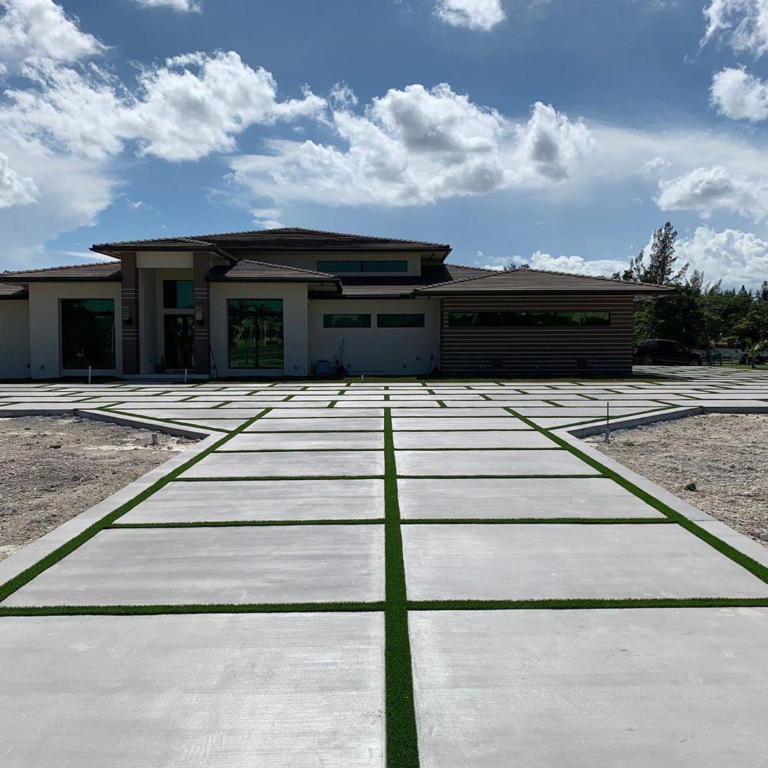
A lot of cracking that gets blamed purely on weather actually traces back to how the driveway was poured. Control joints, the intentional grooves cut into a driveway, are supposed to guide where the concrete cracks as it naturally expands and contracts, keeping cracks straight and controlled instead of random and unsightly. If those joints were spaced too far apart or cut too shallow, the slab will crack wherever it wants instead of where it is supposed to. The concrete mix itself matters too. A mix without enough fly ash or the wrong water-to-cement ratio cures weaker and holds up worse under Florida’s heat cycling.
What Actually Helps Prevent Heat and Humidity Cracking
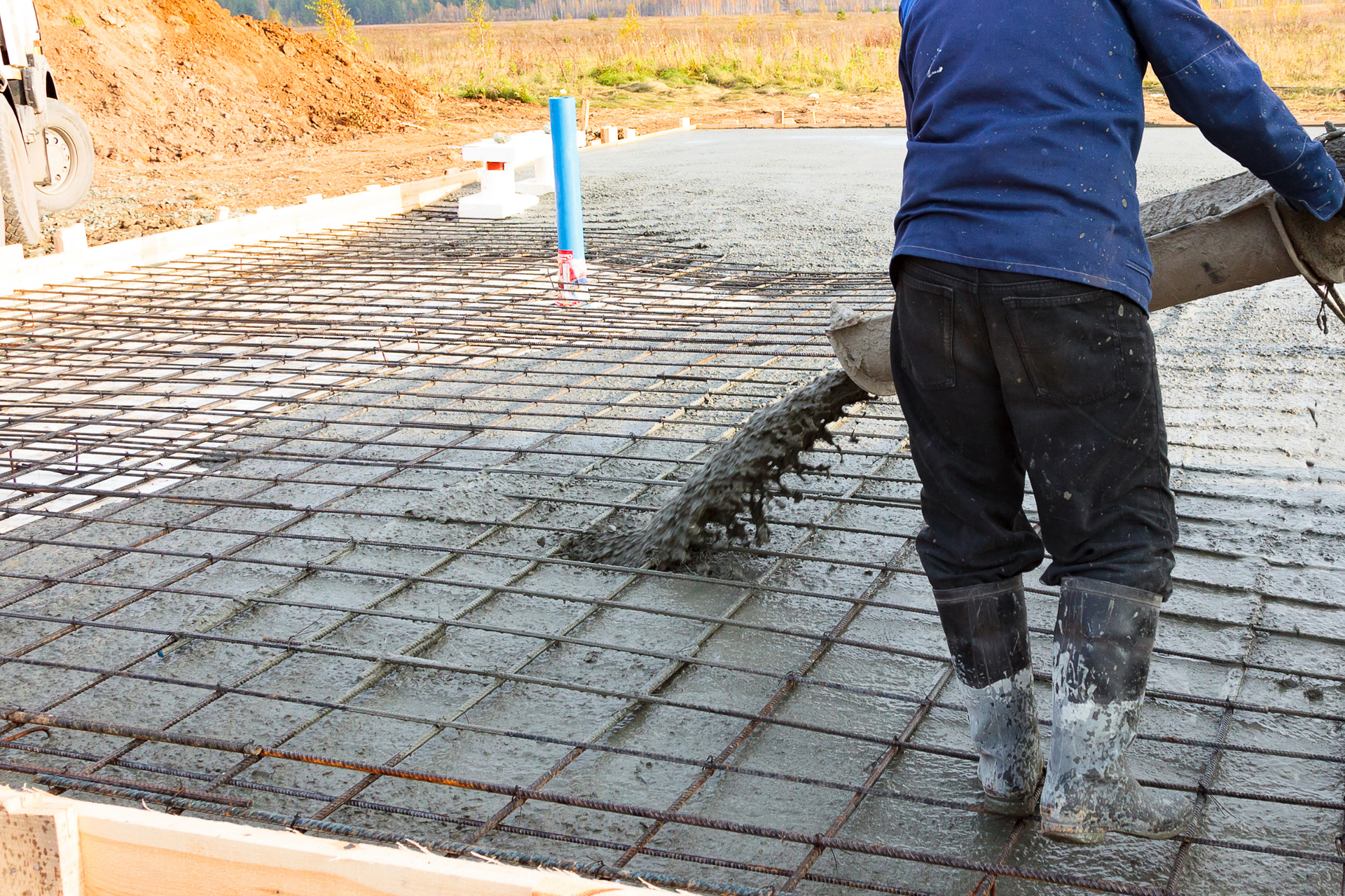
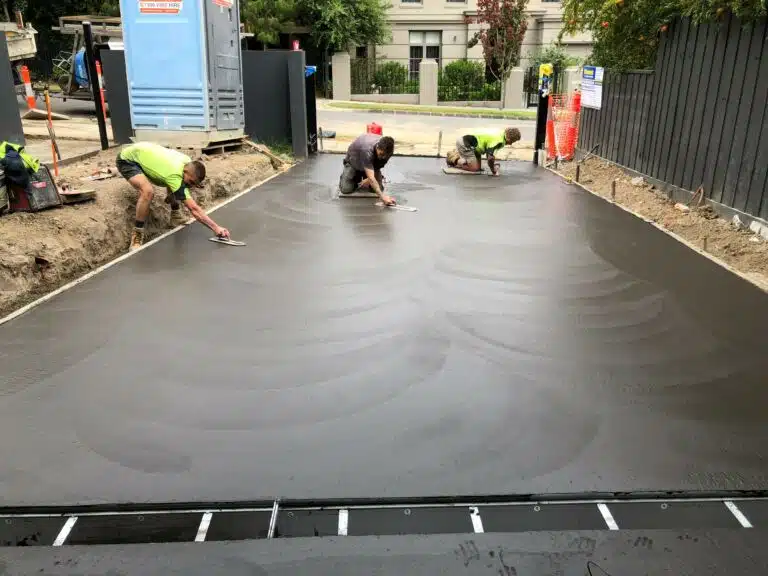
A few things make a real, measurable difference on Florida driveways. Proper control joint spacing, generally every 8 to 10 feet for a standard residential driveway, gives the concrete a planned place to move. A quality sealer reapplied every 2 to 3 years blocks moisture absorption and reduces UV damage to the surface. Proper curing in the first several days after a pour, keeping the slab moist rather than letting Florida’s sun dry it too fast, produces stronger, less brittle concrete. And a mix designed for Florida’s climate, rather than a generic mix, holds up to the heat cycling far better over the life of the driveway.
When a Crack Is Just Cosmetic vs. When It’s a Real Problem
Hairline cracks under about an eighth of an inch wide are usually cosmetic and expected on any concrete driveway over time, especially in Florida’s climate. Cracks wider than a quarter inch, cracks where one side sits higher than the other, or cracks that keep growing are signs of a deeper issue, whether that is the soil underneath settling, water pooling and eroding the base, or a slab that was not reinforced properly to begin with. Those are worth having looked at before they get worse.
Protecting a New or Existing Driveway in Florida
If you’re pouring a new concrete driveway, the climate needs to be part of the plan from the start, not an afterthought. That means the right mix, correctly spaced control joints, and a curing process that accounts for Florida’s heat rather than fighting it. If you already have a driveway showing early cracking, sealing it and addressing small cracks before they widen is far cheaper than waiting until a full section needs to be replaced. Curious what a repair or a full pour actually costs in Florida? Our concrete driveway cost guide breaks down what drives the price.
Driveway Starting to Crack?
All Phase Concrete pours and repairs driveways across Florida with the climate built into every step, from mix design to control joint layout to curing. If your driveway is cracking or you’re planning a new pour, call us or request a free estimate online.